Why North Richland Hills Weather Is Tough on Roofs
North Texas is known for its scorching summers, strong storms, chilly winters, and plenty of inbetweens. Living in North Richland Hills comes with plenty of advantages, but when you build a home, you have to ensure it’s built with the climate in mind. Whatever style of home you choose, you need a high-quality roof to ensure comfort and protection from the elements. To excel in the North Richland Hills climate, your roof is going to have to stand up to:
- Severe weather patterns: Texas weather can flip at the drop of a dime. Extreme weather, such as thunderstorms, hailstorms, tornadoes, and hurricanes, can wreak havoc on your roof in a matter of seconds.
- Extreme temperatures: Intense temperatures cause roof deterioration. Because Texas weather fluctuates dramatically, there’s a higher chance of warping or cracks that limit performance.
- Excess moisture: Whether it’s frequent rainstorms, summer humidity, or surprise hail, your roof can quickly accumulate harmful moisture. Excess moisture is the perfect condition for mold and mildew to grow. If left unaddressed, added moisture can even rot or corrode your roofing structure.
- Harmful UV exposure: Texas’s abundance of sunshine constantly exposes your roof to harmful UV radiation. UV exposure not only does cosmetic damage but also can reduce your roofing materials’ protective properties.
Any one of these factors can distort the physical appearance of your home and lower your roof’s effectiveness. North Richland Hills weather is tough on roofs because it can actively disrupt their effectiveness. Without careful consideration before installation and routine maintenance after, your roof won’t last.
Between the climate and consistent wear and tear, even the best roofing materials for Texas heat and hail will need professional attention from time to time. For over 30 years, Acme Roof Systems has been helping customers across North Richland Hills protect themselves and their property. Whether you’re dealing with a few broken shingles, extensive storm-related damage, or want to schedule routine roofing maintenance, our experienced roofing professionals have the knowledge and skill to provide reliable solutions tailored to your needs.
Asphalt Shingles (Most Popular and Cost-Effective)
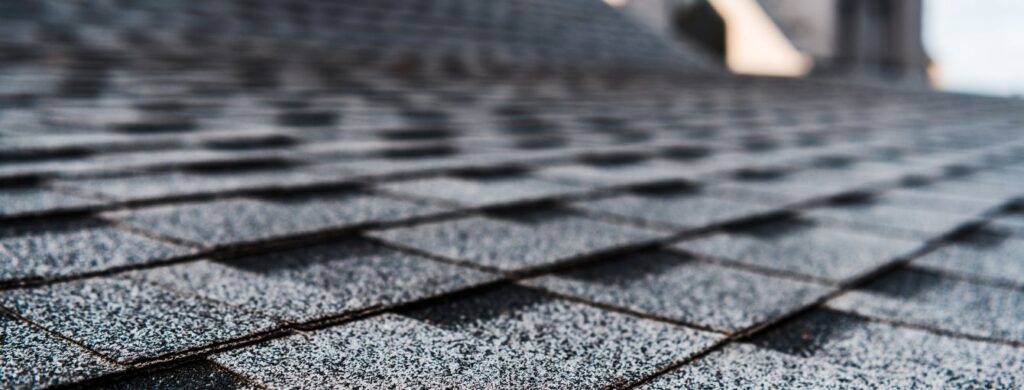
For homeowners who value a durable roofing solution without the premium price tag, impact-resistant asphalt shingles offer an excellent choice. Designed to withstand the harsh weather conditions common throughout Texas, these upgraded shingles provide enhanced protection at a more affordable cost.
Many high-performance shingle products now incorporate reflective technology, which helps reduce heat absorption and lower roof surface temperatures. Compared to traditional dark-colored shingles, reflective shingles can remain significantly cooler, helping you save energy and maximize indoor comfort. For hail-prone areas like North Richland Hills, Class 4 impact-resistant shingles add a necessary layer of protection. The reinforced design helps absorb impact more effectively and resist major damage from hailstones.
Beyond hail resistance, many impact-resistant shingles are also rated to withstand major wind speeds when properly installed. With their combination of durability, weather resistance, energy-saving benefits, and affordability, impact-resistant asphalt shingles are a smart and practical roofing choice for many North Richland Hills homeowners.
Metal Roofing (Best for Heat Reflection and Longevity)
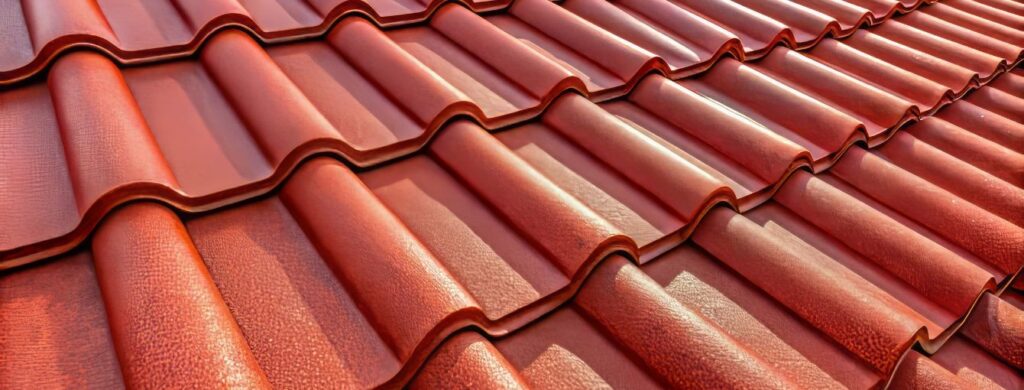
Metal roofing is one of the best choices for Texas homes because it stands up to the state’s extreme weather conditions. From intense summer heat to hailstorms and high winds, metal roofs offer durability and long-term performance that few other roofing materials can match.
One of the biggest benefits of metal roofing is its energy efficiency. By design, metal roofs can easily reflect solar radiation, helping reduce heat absorption, improve energy efficiency, and keep homes cooler during Texas summers at a fraction of the price.
Metal roofs are also highly resistant to wind and hail damage. Most quality metal roofing systems carry a Class 4 impact-resistance rating, providing top-of-the-line protection. The durability comes from the quality of the material, which means using higher quality metals can directly improve your roof’s durability and longevity. With outstanding heat reflection, hail resistance, and wind performance, metal roofing remains one of the most durable and reliable roofing options available.
Clay and Concrete Tile (Built for Extreme Heat)
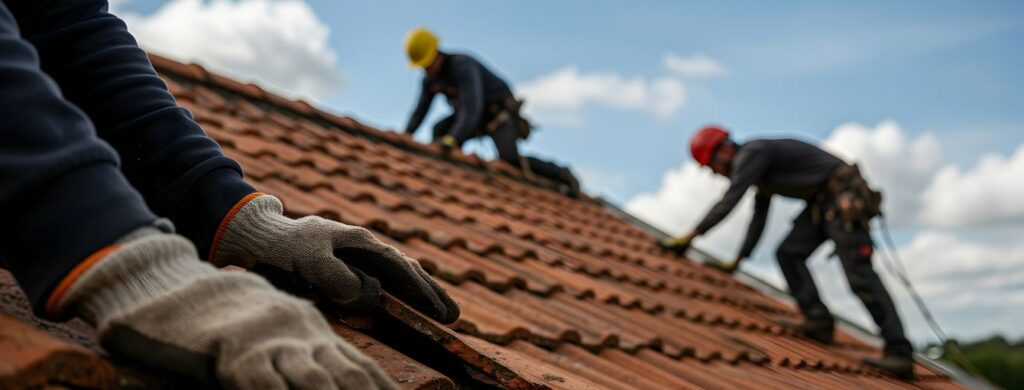
Clay and concrete tile roofs are well known for their strong thermal performance. These tiles are designed to slowly absorb heat during the day and gradually release it over time. This helps to stabilize indoor temperatures and even improve energy efficiency. In hot climates like North Texas, they are an effective cool roofing option.
Clay tiles take energy efficiency a step further by improving ventilation. They are designed to create a natural buffer zone through small air gaps under the tile. Concrete offers the highest class of durability on the market. Concrete tiles’ heavy weight makes them highly wind-resistant, plus they don’t catch fire like other materials. Concrete tiles can also stand up to excess moisture without deterioration.
Despite these advantages, tile roofs also come with important limitations. One of the most notable is their vulnerability to impact damage in certain conditions. While tiles are generally durable, not all types are built to withstand severe hail. In storms with larger hailstones, standard clay or concrete tiles can crack, chip, or break upon impact. There are upgraded impact-resistant tiles designed specifically for harsher weather, but these typically come with a higher upfront material and installation cost.
Synthetic Roofing Materials (Modern, Impact-Resistant Options)
Synthetic roofing materials are manufactured to replicate the look of traditional roofing styles such as natural slate and wood shingles. They provide a similar visual appeal while using engineered or composite materials to bolster durability. These products are often chosen for their ability to achieve an elegant or historic appearance without the high-end fees and maintenance requirements.
Although they may look similar to traditional materials, the effectiveness of synthetic roofing can vary from brand to material quality. Some products may offer excellent longevity and strength, while others may fail to meet expectations.
For this reason, it is essential to carefully evaluate any synthetic roofing option before making a decision. Consider factors such as the specific material blends, manufacturer reputation, warranty terms, and overall performance ratings. Taking the time to compare different products and review independent testing or certifications can help ensure you select a roofing system that balances appearance, durability, and long-term value.
Which Roofing Material Handles Hail the Best?
If you want a roof that can stand up to hailstorms without taking a scratch, you’re going to need something built for the job. The best roofing materials for hail are durable enough to take the impact without cracking under pressure. Cracks in roofing material can cause water to accumulate, leading to mold growth, costly structural damage, or even the need for a full-on replacement.
Metal roofing generally performs very well in hailstorms from a structural and functional standpoint. Even when hailstones cause visible denting, most commonly on softer metals like aluminum, zinc, or copper, the roof system typically continues to perform its primary job without risk of lowered performance or structural deterioration.
Modern synthetic slate and composite roofing materials are engineered specifically with impact resistance in mind. These products are often tested against standardized impact ratings and are designed to offer improved flexibility and durability. Their layered construction helps absorb and distribute shock from hail, reducing the likelihood of cracking compared to other materials.
No matter which roofing material you choose, regular post-storm inspections are essential. Even if damage isn’t immediately visible from the ground, hail can weaken protective coatings, loosen flashing, or create small fractures that may lead to leaks over time. A professional inspection after severe weather helps ensure any hidden damage is identified early and addressed before it develops into more costly repairs.
Energy Efficiency and Cooling Benefits in North Texas Homes
The right roof is a fundamental part of controlling your home’s energy efficiency. Choosing an effective roofing material built to thrive in the North Texas climate means you don’t need as much power to maintain comfort, and your home stays cooler throughout the year. To fully understand how the right roof impacts your home’s energy efficiency, let’s look at how certain materials and design influence important factors like heat transfer, sunlight reflection, and airflow.
Heat Transfer
Each roofing material has different levels of thermal emittance, which measures how easily they release absorbed heat. Materials with higher thermal emittance are more effective at shedding heat, helping limit heat buildup. This keeps indoor temperatures lower, improving overall energy efficiency. Effective materials work best with roof insulation. When properly installed, insulation reduces the movement of heat, helping maintain more consistent indoor temperatures.
Solar Reflectance
Solar reflectance describes how well a roof can reflect sunlight and UV radiation. Cool roofs are designed to absorb and transfer less heat from the sun to the building. This can lead to lower indoor temperatures and reduced demand for air conditioning, especially in hot climates like Texas.
Effective Airflow
Proper roof ventilation allows air to move continuously through the attic space, helping regulate both temperature and humidity. In hot weather, ventilation aids in expelling trapped heat, reducing strain on cooling systems. In colder months, it supports moisture control and helps insulation perform more effectively.
Professional Roof Installation in North Richland Hills and Surrounding Areas
At Acme Roof Systems, your roof is handled by trained professionals with decades of experience. Our team is certified by the nation’s leading roofing manufacturers, ensuring your project is installed to the highest standards and built to last. Every job is backed by a full written warranty, giving you clear protection and peace of mind. Don’t wait for small roofing issues to become expensive damage. Schedule a free roof inspection today and get a clear, honest assessment of your roof’s condition. Contact us at (817) 281-1150 to book your professional roof installation today!
FAQs:
Metal roofing is one of the most durable materials on the market. It can last up to 70 years, even in the North Texas heat.
Metal roofs, concrete tiles, and impact-resistant synthetic roofing materials provide the best protection from consistent hailstorms.
Yes, metal roofs are designed to reflect heat, unlike traditional shingles, making them an ideal choice for hot climates.
Yes, high-class impact-resistant shingles have been proven to protect homes against hail damage.
White roofing products are the best choice for reducing heat in North Richland Hills homes.
How often you should replace your roof depends on what materials it is made of. A typical roof lasts between 15 and 20 years, but certain materials can last up to 70 years.
Yes, different materials capture, reflect, and release heat in varying degrees. Using materials that excel in hot climates can help lower your need for cooling and increase your home’s energy efficiency.